
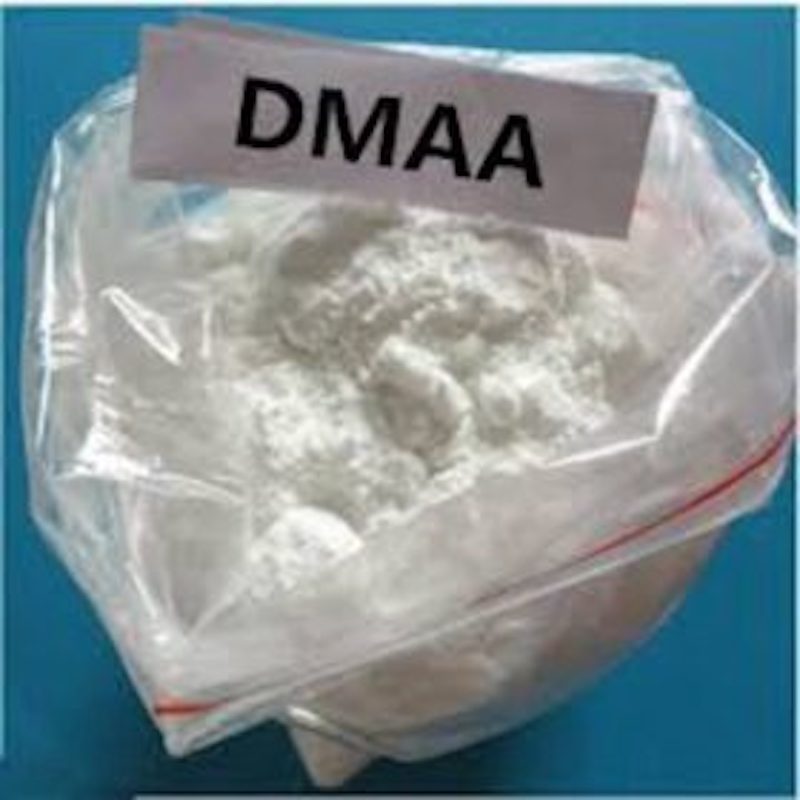


Buy DMAA powder
Price range: €110.00 through €1,125.00
DMAA (1,3-dimethylamylamine, CAS 13803-74-2) is a high-purity sympathomimetic amine analytical reference standard for forensic and clinical toxicology. With a molecular formula of C7H17N·HCl, this white crystalline powder is soluble in water and organic solvents for analytical workflows. It is intended for LC-MS/MS and GC-MS method development, calibration, and confirmatory analysis of aliphatic amines in forensic toxicology, clinical research, urine drug testing, and sports anti-doping applications.
Key Points
-
Sympathomimetic amine (aliphatic amine) certified reference material
-
Supplied as high-purity crystalline powder
-
Molecular formula: C7H17N · HCl
-
CAS number: 13803-74-2
-
Soluble in water and organic solvents for analytical workflows
-
Suitable for LC-MS/MS, HPLC, and GC-MS calibration and validation
-
Intended exclusively for forensic toxicology and analytical research
⚠️ DISCLAIMER:
This product is sold strictly for laboratory and research purposes only. It is NOT intended for human or veterinary consumption, diagnostic use, or any application involving living organisms. All customers must be qualified and trained laboratory professionals. Buyer assumes all responsibility for safe handling, storage, and legal compliance in accordance with their local, state, and federal regulations. Always use appropriate personal protective equipment (PPE) and work within a properly ventilated fume hood.
Overview
DMAA (1,3-dimethylamylamine), also known as methylhexanamine, is a synthetic aliphatic amine classified as an indirect sympathomimetic agent . This product is supplied as a high-purity crystalline powder for use as an analytical reference standard in forensic and clinical toxicology laboratories. Originally patented as a nasal decongestant in 1944, DMAA later emerged in dietary supplements and party pill formulations . As a regulated substance prohibited by the World Anti-Doping Agency (WADA), it serves as an essential reference material for the identification and quantification of this stimulant in seized materials, dietary supplements, and biological specimens .
Chemical & Physical Properties
| Parameter | Value / Description |
|---|---|
| Chemical name | 1,3-Dimethylamylamine; Methylhexanamine |
| Common product name | DMAA Powder |
| Class | Sympathomimetic Amine (Aliphatic Amine) |
| CAS number | 13803-74-2 (hydrochloride salt) |
| Molecular formula | C7H17N · HCl |
| Molecular weight | Approx. 151.68 g/mol |
| Typical salt form | Hydrochloride |
| Appearance | White to off-white crystalline powder |
| Typical solubility | Soluble in water and organic solvents |
| Typical state | Powder/Crystalline Solid |
The material presents as a white to off-white crystalline powder . For analytical preparation, stock solutions are commonly prepared in methanol at certified concentrations of 1.0 mg/mL for use as reference standards . The compound exhibits structural differentiation from amphetamine-class compounds due to its lack of an aromatic ring, resulting in distinct transporter interactions .
Primary Research Applications
DMAA is primarily utilized as a forensic toxicology standard for the identification and quantification of sympathomimetic amines in biological matrices, dietary supplements, and seized materials . Its applications include method development and validation for LC-MS/MS, HPLC, and GC-MS, as well as confirmatory analysis of biological specimens in clinical toxicology, urine drug testing, and sports anti-doping analysis . Certified reference materials are suitable for a variety of testing applications, from clinical toxicology and forensic analysis to sports testing and analysis of DMAA-based dietary supplements . Stable-labeled internal standards, such as Methylhexanamine-D4, are available for quantitative analysis to ensure accuracy in LC/MS or GC/MS methods .
Storage & Stability
| Condition | Recommendation |
|---|---|
| Temperature | Store at -20°C for long-term stability |
| Light exposure | Protect from direct light |
| Moisture control | Keep container tightly sealed; store desiccated |
| Handling | Use PPE; handle in a fume hood |
For optimal stability, the product should be stored in a freezer in a tightly sealed container . Certified reference material solutions in methanol should be handled promptly after opening to maintain accurate concentration. When stored at -20°C, powder form is stable for up to three years, with solutions stable for up to one year at -80°C . Researchers must adhere to standard safe handling practices for hazardous chemicals.
Closing Statement
This high-purity reference material is intended exclusively for in vitro laboratory use in forensic and analytical research. Researchers should consult the Certificate of Analysis (COA) for specific lot data and purity certification. All handling must be performed within a properly controlled professional laboratory environment, and users must ensure compliance with all local and federal regulations regarding sympathomimetic amines.
⚠️ DISCLAIMER:
This product is sold strictly for laboratory and research purposes only. It is NOT intended for human or veterinary consumption, diagnostic use, or any application involving living organisms. All customers must be qualified and trained laboratory professionals. Buyer assumes all responsibility for safe handling, storage, and legal compliance in accordance with their local, state, and federal regulations. Always use appropriate personal protective equipment (PPE) and work within a properly ventilated fume hood.
| Quantity |
10g ,25g ,50g ,100g ,250g ,500g ,1kg |
|---|
Related products
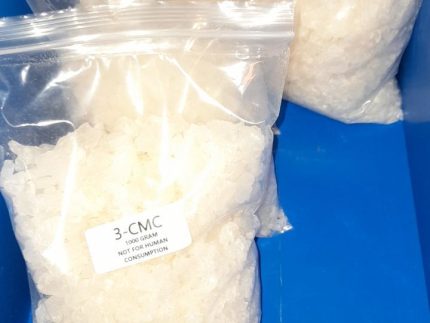
3-CMC Powder Crystal
Price range: €115.00 through €1,100.00
4-aco-dmt
Price range: €115.00 through €1,300.00
4-MEO-PV8
Price range: €125.00 through €1,500.00
A-PVP
Price range: €125.00 through €1,600.00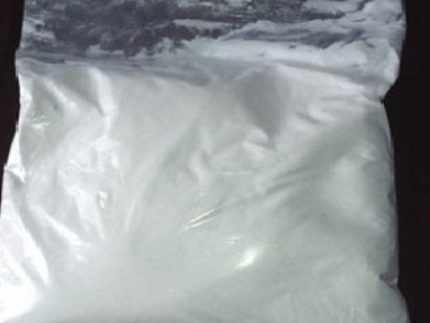
AM-2201
Price range: €145.00 through €1,600.00
Amphetamine Powder
Price range: €135.00 through €1,300.00
Butylone Crystal
Price range: €110.00 through €1,100.00