
AM-2201
Price range: €145.00 through €1,600.00
AM-2201 (CAS 335161-24-5) is a high-purity naphthoylindole synthetic cannabinoid analytical reference standard for forensic and clinical toxicology . With a molecular formula of C24H22FNO and a molecular weight of 359.4 g/mol, this pale yellow to off-white solid is soluble in DMSO and organic solvents for analytical workflows. It is intended for LC-MS/MS and GC-MS method development, calibration, and confirmatory analysis of synthetic cannabinoids in forensic toxicology and clinical research applications. Its major urinary biomarker, AM-2201 N-(4-hydroxypentyl) metabolite, serves as a key target for consumption verification . This DEA-exempt certified reference material is available for research use only.
Key Points
-
Synthetic cannabinoid (naphthoylindole) certified reference material
-
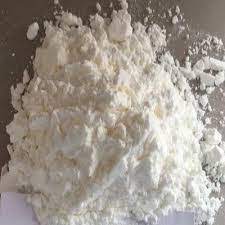
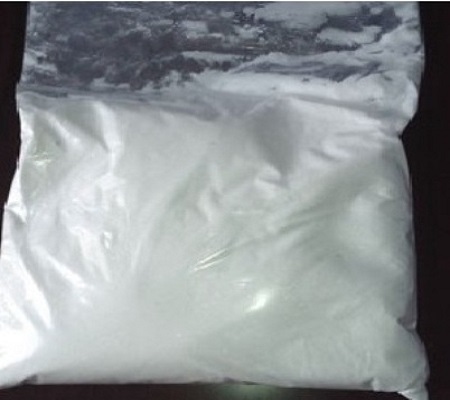
Supplied as high-purity powder
-
Molecular formula: C24H22FNO
-
CAS number: 335161-24-5
-
Soluble in DMSO, chloroform, and ethyl acetate for analytical workflows
-
Suitable for LC-MS/MS and GC-MS calibration and validation
-
Intended exclusively for forensic toxicology and analytical research
⚠️ DISCLAIMER:
This product is sold strictly for laboratory and research purposes only. It is NOT intended for human or veterinary consumption, diagnostic use, or any application involving living organisms. All customers must be qualified and trained laboratory professionals. Buyer assumes all responsibility for safe handling, storage, and legal compliance in accordance with their local, state, and federal regulations. Always use appropriate personal protective equipment (PPE) and work within a properly ventilated fume hood.
Overview
AM-2201 is a potent synthetic cannabinoid belonging to the naphthoylindole class of compounds . This product is supplied as a high-purity powder for use as an analytical reference standard in forensic and clinical toxicology laboratories. Developed initially as a pharmacological tool to study the endocannabinoid system, it later emerged as one of the most common synthetic cannabinoids found in “Spice” products . As a potent agonist at cannabinoid receptors, it serves as an essential reference material for the identification and quantification of naphthoylindole-based synthetic cannabinoids in seized materials and biological specimens .
Chemical & Physical Properties
| Parameter | Value / Description |
|---|---|
| Chemical name | 1-(5-Fluoropentyl)-1H-indol-3-ylmethanone |
| Common product name | AM-2201 Powder |
| Class | Synthetic Cannabinoid (Naphthoylindole) |
| CAS number | 335161-24-5 |
| Molecular formula | C24H22FNO |
| Molecular weight | Approx. 359.4 g/mol |
| Typical salt form | Free base |
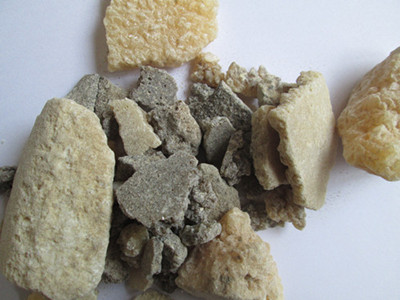
| Appearance | Pale yellow to off-white solid |
| Typical solubility | Soluble in DMSO (10 mM), chloroform, and ethyl acetate |
| Typical state | Powder/Crystalline Solid |
The material typically presents as a pale yellow to off-white solid . For analytical preparation, stock solutions are commonly prepared in DMSO, methanol, or acetonitrile, making it suitable for LC-MS/MS and GC-MS workflows. The compound features a naphthalene ring system linked to an indole core via a carbonyl group, with a fluoropentyl substituent on the indole nitrogen.
Primary Research Applications
AM-2201 is primarily utilized as a forensic toxicology standard for the identification and quantification of synthetic cannabinoids in biological matrices and seized materials . Its applications include method development and validation for LC-MS/MS and GC-MS, as well as confirmatory analysis of biological specimens in clinical toxicology and urine drug testing . The compound serves as a standard for metabolism research, with its major urinary biomarker identified as the AM-2201 N-(4-hydroxypentyl) metabolite . Stable-labeled internal standards, such as AM-2201 4-hydroxypentyl metabolite-D5, are available for accurate quantification via isotope dilution mass spectrometry . AM-2201 demonstrates high binding affinity at CB1 and CB2 receptors, with Ki values of 1.0 nM and 2.6 nM, respectively .
Storage & Stability
| Condition | Recommendation |
|---|---|
| Temperature | Store at -20°C for long-term stability |
| Light exposure | Protect from direct light |
| Moisture control | Keep container tightly sealed; store desiccated |
| Handling | Use PPE; handle in a fume hood |
For optimal stability, the product should be stored in a freezer at -20°C in a tightly sealed container . Stock solutions in DMSO can be stored at -20°C for up to one month, or at -80°C for up to six months . Certified reference material solutions should be handled promptly after opening to maintain accurate concentration. Researchers must adhere to standard safe handling practices for hazardous chemicals.
Closing Statement
This high-purity reference material is intended exclusively for in vitro laboratory use in forensic and analytical research. Researchers should consult the Certificate of Analysis (COA) for specific lot data and purity certification. All handling must be performed within a properly controlled professional laboratory environment, and users must ensure compliance with all local and federal regulations regarding synthetic cannabinoids.
⚠️ DISCLAIMER:
This product is sold strictly for laboratory and research purposes only. It is NOT intended for human or veterinary consumption, diagnostic use, or any application involving living organisms. All customers must be qualified and trained laboratory professionals. Buyer assumes all responsibility for safe handling, storage, and legal compliance in accordance with their local, state, and federal regulations. Always use appropriate personal protective equipment (PPE) and work within a properly ventilated fume hood.
| Quantity |
10g ,25g ,50g ,100g ,250g ,500g ,1kg |
|---|
Related products

4-aco-dmt
Price range: €115.00 through €1,300.00
Alprazolam Powder
Price range: €175.00 through €1,300.00
Buy 5-MAPB Powder Crystal
Price range: €115.00 through €1,300.00
Buy 5f MDMB 2201
Price range: €125.00 through €1,200.00
Buy BZP Benzylpiperazine
Price range: €110.00 through €1,125.00
Buy Crake Cocaine Online
Price range: €250.00 through €4,500.00
Buy Kilocaine Powder
Price range: €125.00 through €1,400.00